Let’s be honest: How many times have you scrolled past a photo of the Potala Palace at sunrise, its red and white walls glowing like it was literally on fire, and thought, "I need to go there"? Or perhaps you’ve seen a documentary where a nomadic family offers you butter tea inside a tent that smells of smoke and yak wool, and for a moment, you felt a pang of envy for their simplicity?
If you haven't felt that yet, you will by the end of this guide.
Welcome to Tibet. The "Roof of the World." A place so high (averaging 4,500 meters above sea level) that the air is thin, the sun is fierce, and the spirituality is so thick you could spread it on a piece of tsampa bread. For decades, this Himalayan nation-turned-autonomous-region has held a magnetic pull for adventurers, spiritual seekers, and cultural geeks alike. But let’s also address the yeti in the room: organizing a Trip to Tibet isn't quite like booking a beach holiday in Bali. It requires paperwork, planning, and a healthy respect for altitude.
That’s where we, Trip Tibet, come in. We are your local friends in Lhasa. We don't just sell Tibet Tours; we curate experiences that make you feel like you’ve stepped into a thangka painting. Whether you’re here to chase the shadow of Mount Everest, to walk the pilgrim circuits of Barkhor, or just to find out if your lungs can handle a 4,000-meter-high five-a-side football match (spoiler: they can’t, and please don’t try), we’ve got your back.
✅Why Visit Tibet?
When you tell people you’re planning to Visit Tibet, you usually get one of two reactions:
Reaction A: "Oh my god, that’s amazing! Take me with you! Is it spiritual? Are you going to see the Dalai Lama?" (We have to gently break it to them that, no, you probably won’t).
Reaction B: "Isn’t it dangerous? Isn’t the air like... not there? Will you turn into a popsicle?"
The truth lies somewhere in the middle, leaning heavily toward Reaction A.
Tibet is not just a place; it’s a feeling. It’s the feeling of standing in the courtyard of the Jokhang Temple at dusk, watching pilgrims prostrate themselves flat on the stones, their hands wearing wooden blocks, their eyes focused on a horizon we can’t see. It’s the smell of yak butter burning in thousands of butter lamps. It’s the sound of monks debating in the courtyard of Sera Monastery, clapping their hands with a thunderous crack to emphasize a philosophical point.
It’s also the feeling of driving for hours through landscapes that look like a computer screensaver from 1998—vast, empty, and impossibly blue. You’ll see yaks wearing red bows (they’re the chosen ones, apparently), rivers the color of mint mouthwash, and passes so high you’ll feel like you’re co-piloting a 747.
Tibet Travel is not always "comfortable" in the Western sense. You might have to pee behind a large rock (a very large rock, privacy is key). You might find that your hotel room in a remote town has a heater that works about as well as a chocolate teapot. But what you lack in central heating, you gain in authenticity.
✅10-Day Tibet Tour Itinerary
As a Tibet local based travel agency with offices in Lhasa, we are your best assistant to help you plan authentic, tailor-made and valuable Tibet trip before you go, also the ideal companion to take care of details of your travel, from tour guide, necessary permits, transfer, sightseeing, to dinning, accommodation, etc. During past decades, we have managed to help thousands of visitors realize their dream tours to the holy land Tibet. And our tours and service have been highly recognized and commended by customers both on TripAdvisor and our platform.
We at Trip Tibet believe in the Goldilocks principle for Tibet Tours: not too short that you’re gasping for air and rushing, and not too long that you run out of clean socks. This 10-day itinerary (which includes your arrival and departure days) is designed to give you the ultimate hit of Tibetan culture and Himalayan scenery.
We are talking the "Big Three" of Lhasa (Potala, Jokhang, Sera), the stunning lakes, the back-breaking passes, and the main event: Everest Base Camp.
Note: We have factored in Day 1 for arrival and acclimatization, and Day 10 for departure. The adventure happens in between.
Day 1: Arrival in Lhasa – "Breathe, Just Breathe"
Altitude: 3,650 m (11,975 ft)
You’ve landed at Lhasa Gonggar Airport (LXA). As you walk down the steps, you’ll feel it. That slight light-headedness. The air is crisp and clean, but there’s about 40% less oxygen than you’re used to. Welcome to the big leagues.
Your Trip Tibet guide, who has a smile as warm as the Tibetan sun, will be waiting for you with a white khata (ceremonial scarf). They’ll place it around your neck. Don’t wipe your nose on it; it’s a sign of pure heart and welcome.
Crucial Advice: Forget everything you planned for today. The itinerary says "Rest." It means REST. Do not be a hero. Do not go for a jog around the block to "test" your fitness. Do not take a long, hot shower (the steam will suck the oxygen out of the bathroom and you might pass out, which is a great way to ruin your trip).
-
Activity: Transfer to your hotel in Lhasa (about 1.5 hours drive).
-
Pro Tip: Drink loads of water. Walk as slowly as a sloth on sleeping pills. If you feel a headache, tell your guide. We have oxygen canisters and kind words.
Day 2: Lhasa – The Spiritual Immersion (Jokhang Temple & Sera Monastery)
Altitude: Still 3,650 m (You’re getting used to it, sort of)
Feeling human again? Good. Today we ease you into the deep end of Tibetan Buddhism.
Morning: The Jokhang Temple
After breakfast, we head to the heart of old Lhasa—Barkhor Street. This is the pilgrim circuit. It’s a swirling mass of humanity. Locals in traditional Chuba robes, monks in maroon, and travelers like you, all walking clockwise (remember: clockwise! Unless you want to look like a tourist who’s lost a contact lens).
We enter the Jokhang Temple, the holiest shrine in Tibet. Built in the 7th century by King Songtsen Gampo, it houses the Jowo Shakyamuni statue—a 12-year-old Buddha, said to have been blessed by Buddha himself. The queue of pilgrims clutching butter to offer is often longer than the queue for the new iPhone. The air inside is thick with incense and devotion. It’s cramped, dark, and utterly mesmerizing.
Afternoon: Sera Monastery & The Monks" Debate
After lunch (try the Tibetan noodles, thukpa), we drive a few kilometers north to Sera Monastery. It’s one of the great "university" monasteries of the Gelugpa school.
But the main event here isn't the statues or the halls (though they are beautiful). It’s the monks" debate in the courtyard, usually starting around 3:00 PM to 5:00 PM. Imagine a group of men in robes standing in a gravel courtyard. One monk stands, slaps his hands together with a thunderous clap, and then points his fingers at his seated opponent. This isn’t a fight; it’s a high-level philosophical discussion. The clap symbolizes the cutting through of ignorance. It’s loud, it’s theatrical, and it’s the best free show in Lhasa.
Evening: Stroll back through Barkhor Street. This is prime souvenir shopping time. Look for thangkas, prayer wheels, and jewelry. Remember to bargain—it’s expected, but do it with a smile.
Day 3: Lhasa – The Grandeur (Potala Palace & Drepung Monastery)
Altitude: 3,650 m (Your lungs are throwing a party now)
Morning: The Potala Palace
You’ve seen it on a million postcards, but trust us, the first time you see the Potala Palace in person, your jaw will drop. Perched on Marpo Ri hill, it looks like it grew out of the mountain itself. It has 13 stories, over 1,000 rooms, and enough gold to make a pirate cry.
We will slowly (very slowly—those steps are steep at altitude) climb our way up. Once inside, it’s a maze of stupas (tombs of past Dalai Lamas), chapels, and meditation rooms. The largest stupa belongs to the 5th Dalai Lama and is covered in 3,700 kilograms of gold. Yes, kilograms. Try not to dribble on the floor.
Note: Photography is strictly banned inside. So, just soak it in. Use your eyes, not your iPhone.
Afternoon: Drepung Monastery
Once the largest monastery in the world (housing up to 10,000 monks), Drepung feels like a small town. It’s perched on the hillside west of Lhasa. We’ll wander through the whitewashed alleys, visit the main assembly hall, and maybe catch a glimpse of young monks learning to read scriptures. It’s quieter than Sera, offering a more contemplative vibe.
Day 4: Lhasa to Shigatse – The Lake and the Glacier
Distance: ~350 km | Drive Time: 7-8 hours | Altitude: 3,840 m (Shigatse)
Today, we hit the road. This is where Tibet Travel shifts from cultural to epic.
We drive south, crossing the Gampa La pass (4,794 m) . And then, it hits you. A vista point so stunning it should have a warning sign. Below you lies Yamdrok Lake (Yamdrok Yumtso) . It’s a colossal turquoise serpent of a lake, winding its way through the valley for miles. Its color is so intense it looks photoshopped. On a clear day, you can see the snow-capped Mount Nojin Kangtsang (7,191 m) looming behind it.
We’ll stop for photos. Lots of photos. You’ll take about 100, and only one will look okay, but that’s the price of beauty.
Continuing on, we hit the Karo La glacier (5,045 m) . This glacier flows right down to the road. Literally, you can almost touch it. It’s like someone parked a giant, dirty ice-cream scoop in the middle of the mountains.
We pass through Gyantse, a quaint town dominated by the Pelkor Chode Monastery and its unique Kumbum Stupa. This chorten (stupa) has nine levels and 108 chapels. It’s a geometric marvel.
Finally, we arrive in Shigatse, Tibet’s second-largest city. It feels more "workaday" than Lhasa, less touristy, more real.
Day 5: Shigatse to Everest Base Camp – The Big One
Distance: ~350 km | Drive Time: 7-8 hours | Altitude: 5,200 m (EBC)
Today is the main event. The one you’ve been waiting for. Everest Base Camp (EBC) .
We leave Shigatse early. The landscape becomes increasingly desolate and dramatic. We pass through small farming villages where locals are threshing barley just as they have for centuries. We cross the Gyatso La pass (5,248 m) , offering our first panoramic views of the high Himalayas.
Then comes the Pang La pass (5,200 m) . This is arguably the best viewpoint of the entire trip. On a clear day, from this single spot, you can see four 8,000-meter peaks: Makalu (5th highest), Lhotse (4th highest), Cho Oyu (6th highest), and the big one, Everest (highest). It’s a geological greatest-hits album. The road down from Pang La is a series of hairpin bends known locally as the "108 Bends." If you get carsick, sit in the front.
We drive down the valley to the Rongbuk Monastery. At 4,980 meters, it’s the highest monastery on Earth. The view from here is surreal: the monastery, with its prayer flags, and in the background, the north face of Everest dominating the sky.
From Rongbuk, we take the final shuttle (or our vehicle, depending on regulations) to the actual Everest Base Camp.
The Moment: You’re standing there. The wind is howling. It’s cold. You’re breathless. And in front of you is the mother of all mountains. It looks so close you could almost touch it (you can’t, it’s still 20km away, but don’t let reality spoil the moment).
Overnight: You have a choice. Stay in a basic tent at EBC (an experience, but cold and high) or retreat to a guesthouse near Rongbuk or lower down. We generally advise the latter unless you’re a glutton for punishment.
Day 6: EBC to Shigatse – The Return leg
Distance: ~350 km | Drive Time: 7-8 hours
Wake up early. If you stayed at Rongbuk or EBC, step outside. Watching the sunrise turn the peak of Everest gold is a religious experience, even for atheists. It’s called "alpenglow," and it’s worth the frostbite.
After a breakfast of porridge (which tastes amazing at this altitude), we retrace our steps back to Shigatse. The scenery is just as stunning the second time around. Use this day to catch up on your travel journal or sleep off the altitude.
Day 7: Shigatse to Namtso Lake – The Heavenly Lake
Distance: ~380 km | Drive Time: 8 hours | Altitude: 4,718 m (Namtso)
This is a long driving day, but the destination is worth it.
We drive north from Shigatse, eventually joining the main road to Qinghai. The landscape shifts from high valleys to the vast northern grasslands. On the way, we pass through Yangpachen, a geothermal area. You’ll see steam rising from the ground. This is a great place for a comfort break and to boil an egg (metaphorically).
Then we ascend to the Lagen La pass (5,190 m) . And just like at Yamdrok, the view hits you like a truck. Below you lies Namtso Lake (which means "Heavenly Lake"). It is one of the highest saltwater lakes in the world. The color is a deep, mesmerizing blue, and it stretches to the horizon, backed by the snowy ranges of the Nyainqentanglha Mountains.
We drive down to the lake shore, to the small settlement of Tashi Dor. Here, you can walk along the shore, spin the massive prayer wheels, and climb the small rocky peninsula for incredible views. The wind here is relentless, so hold onto your hat.
Overnight: Accommodation here is basic. Think heated dormitories or simple guesthouses. It’s not the Ritz, but waking up here makes it the Ritz.
Day 8: Namtso Lake to Lhasa – Back to Civilization
Distance: ~250 km | Drive Time: 4 hours
If you can drag yourself out of bed before dawn, you’re in for a treat. Sunrise over Namtso, with the mountains reflecting in the glass-like water, is a memory you’ll keep forever.
After breakfast, we begin the drive back to Lhasa. The drive is relatively short, giving you time to reflect on the incredible journey you’ve just completed. Arriving in Lhasa in the afternoon feels like coming home. The oxygen is thicker, the beds are softer, and the showers are hotter. You have free time to wander Barkhor one last time, grab a last souvenir, or just sit in a rooftop café and stare at the Potala.
Day 9: Lhasa – Free Day or Optional Digs
This is your buffer day. Maybe you want to sleep in. Maybe you want to explore the quieter Norbulingka (the Summer Palace). Maybe you just want to find a coffee shop that serves decent espresso and write postcards.
Your guide is on hand to suggest something off the beaten path if you have the energy.
Day 10: Departure from Lhasa
The hardest part. Saying goodbye. Your Trip Tibet guide will escort you to the airport or train station. As they place another khata around your neck, you’ll probably feel a lump in your throat. You’re leaving with dusty boots, a phone full of photos, and a heart full of memories.
Whether you’re a couple, a family, or a small group of friends, we’ll tailor your itinerary to your interests and travel pace.We'd love to hear from you!
Our Contact Infomation Details
WhatsApp\Tel: 86 139 8998 9889 Lhamo
Email: TibetTourGuides@gmail.com
✅When to Visit Tibet – A Seasonal Affair
Picking the right time to Visit Tibet is crucial. The weather can be your best friend or your worst enemy.
The Golden Window: April to October
This is, by far, the best time for Tibet Travel .
-
April-June: The days are long, the skies are clear, and the famous rhododendrons are blooming. It’s not peak season yet, so sites are less crowded.
-
July-August: This is the peak season. It’s warm, and it’s the time for the Shoton Festival (Yogurt Festival) in Lhasa, where you can see massive thangkas unveiled at Drepung Monastery. The downsides? It can rain occasionally, and it’s busy .
-
September-October: Arguably the most beautiful months. The skies are crystal clear, the autumn colors are starting to show, and the air is crisp. Perfect for photography .
The Shoulder Seasons: November to March
Tibet is cold in the winter. Like, "your eyelashes freeze" cold. Daytime temperatures in Lhasa can still be around 10°C (50°F), but nights drop well below freezing.
-
Pros: Fewer tourists. Like, almost none. You’ll have the Potala to yourself. Prices are lower. The winter sun is incredibly bright, and you can see "Blue Ice Caves" in some areas .
-
Cons: Many guesthouses in remote areas (like Namtso or EBC) shut down. Driving conditions can be treacherous due to ice and snow. You’ll need a heavy down jacket. If you are doing a standard Tibet Tour focusing on Lhasa and the main cities, it’s doable. If you want to go to Everest, stick to the warmer months.
Altitude & weather notes
-
As noted earlier, Tibet sits at high altitude. Daytime temperatures can swing widely: bright sun, thin air, and cool evenings. Always pack layers.
-
Even when it’s sunny, the UV radiation is stronger — high-SPF sunscreen, sunglasses, and a hat are smart.
-
Be prepared for dramatic weather changes: clear morning skies can give way to cloud and wind in the afternoon.
-
Train and flight schedules can be affected by weather (especially during winter or sudden storms) — flexibility in your schedule is wise.
More research should be done in order to avoid extreme weather or rainy season, or simply get away from the holiday crowds. You’d better check more details regarding the best time to visit Tibet according to destinations and themes.
Our Verdict: For your first Trip to Tibet, aim for May, June, September, or October. You get the best of all worlds: good weather, open passes, and happy lungs .
✅Important Things to Know Before Visiting Tibet
1. Tibet Travel Permits:
It’s an official document issued by the Tibet Tourism Bureau that allows you to enter and travel within Tibet . It’s not a visa; it’s a permit.
Who needs it?
-
All foreign passport holders (USA, UK, Canada, Australia, EU, etc.)
-
Overseas Chinese (holding foreign passports)
-
Taiwanese travelers (using the Taiwan Compatriot Permit) .
Who is exempt?
-
Holders of Mainland Chinese ID cards.
-
Hong Kong and Macau SAR passport holders with their Home Return Permits .
How do you get it?
-
Book a Tour: You must book a tour with a registered agency like Trip Tibet. Provide us with your passport details and itinerary.
-
Submit Info: You’ll need to send us a clear, color scan of your passport photo page and your valid Chinese visa (L visa is standard). We recommend doing this at least 30-45 days before you arrive in Tibet . During peak season, the earlier the better!
-
We Handle the Rest: We submit your application to the authorities. Once approved (usually a few weeks before your trip), we get the permit.
-
Pick Up: You usually receive the physical permit in your departure city in mainland China (like Chengdu or Beijing) before you board your flight to Lhasa. Without it, you cannot board the plane.
2. Altitude Sickness:
Tibet's high altitudes can cause altitude sickness. It’s important to stay hydrated, avoid overexertion, and allow your body to acclimatize gradually. Symptoms like dizziness, nausea, and headaches are common, so consult your doctor before traveling.
3. Cultural Etiquette:
Tibetan culture is deeply spiritual, so it's important to respect local traditions. Always show respect at monasteries, avoid touching religious artifacts, and dress modestly. When visiting monasteries, walk clockwise around sacred objects.
4. Visa and Entry Requirements:
In addition to the Tibet Travel Permit, travelers to Tibet also need a Chinese visa to enter China, as Tibet is part of the People's Republic of China.
✅The Big No-Nos – Etiquette and Survival
Tibetans are some of the warmest, most generous people on earth. But they have customs. Break them, and you might get a stern look (or just polite giggles). Here’s how to be a good guest.
Do:
-
Walk Clockwise: Always walk clockwise around temples, stupas, mani stones, and prayer wheels . Unless you are in a Bon Monastery (rare), in which case it’s counter-clockwise. When in doubt, follow the locals.
-
Accept with Both Hands: If someone offers you a gift or a business card, take it with both hands. It shows respect.
-
Ask Before Photographing: That old nomad with the amazing weathered face? He might not want his photo taken. Always ask, or at least smile and point to your camera. A small gift or some money is often appreciated.
-
Remove Sunglasses and Hats: When entering a temple, take off your sunnies and cap .
-
Point with an Open Palm: Pointing your finger at someone or something (especially holy objects) is considered rude. Use an open hand with the palm up.
Don"t:
-
Touch Heads: Never touch a Tibetan person on the head. It’s considered where the soul resides .
-
Sit on Walls or Mani Stones: Those stone piles with carvings? They are religious objects. Don’t sit on them. Don't move them.
-
Shout or Get Angry: Losing your temper in public is a massive loss of face here. Keep calm. It’s high altitude, no need for high blood pressure.
-
Kill Bugs: In monasteries, if you see a spider, don't kill it. Life is sacred.
-
Display Affection Publicly: Holding hands is fine. Making out on Barkhor Street? Not so much .
-
Wear Shorts or Revealing Clothes: Temples are holy places. Cover your shoulders and legs. You'll also need the layers for warmth anyway.
✅Rules, Etiquette, and Cultural Taboos for Foreign Travelers
Tibet is not just another destination — it’s a living spiritual world.
Understanding its customs and taboos is essential for a respectful, safe, and enriching experience.
Here’s a detailed guide I share with all my international guests.
1. Social Etiquette – The Basics
-
Greeting: Smile or gently nod; handshakes are acceptable but not firm.
-
Address: Avoid using first names casually with monks or elders — add “La” as a sign of respect.
-
Hospitality: If offered butter tea or food, accept with both hands, even if you only sip politely.
-
Seating: Wait to be invited to sit. Never sit before your host does.
2. Religious Etiquette
-
Walk clockwise around temples, stupas, and prayer wheels — counterclockwise is considered disrespectful.
-
Remove your hat and sunglasses before entering religious halls.
-
Never touch monks, nuns, or religious objects (statues, books, relics).
-
Don’t point your feet at altars or people.
-
Keep your voice low — temples are for prayer, not chatter.
-
Photography: Always ask permission. Some monasteries charge a small fee; others forbid photos inside.
-
Don’t step on prayer flags, mani stones, or offerings — they are sacred.
Cultural insight: Tibetans believe that even small actions — lighting a candle, spinning a prayer wheel — create good karma. Join in respectfully; it’s welcomed.
3. Cultural Taboos (Very Important for Foreigners)
-
Avoid discussing politics or independence.
Sensitive topics can cause tension or even trouble with authorities. Focus on culture, history, and nature instead. -
No drone use without permission.
Drones are banned in many areas near monasteries or military zones. -
No public displays of affection.
Hugging or kissing in temples or streets can make locals uncomfortable. -
Don’t kill animals or insects near monasteries.
Many Tibetans follow the principle of non-violence — harming even small creatures is taboo. -
Avoid stepping over people or food.
It’s seen as impolite and unclean. Walk around instead. -
Don’t bargain aggressively.
Politeness matters more than saving a few yuan. -
Don’t photograph sky burials.
Sky burials are sacred funerary rituals — photographing them is strictly forbidden. -
Don’t enter monks’ living quarters.
These are private spaces. -
Don’t touch people’s heads or shoulders.
The head is considered the most sacred part of the body. -
Avoid alcohol near religious sites.
Drinking near temples or during religious days is disrespectful.
4. Behavior in Daily Life
-
Dress modestly. Shoulders and knees should be covered. Avoid tight or revealing clothes.
-
Be patient. Tibetans value calmness; raising your voice seems rude.
-
Use your right hand when giving or receiving items.
-
Learn simple Tibetan phrases:
-
Tashi Delek! – Hello / Blessings
-
Thuk-je-che – Thank you
-
Kha-le-pe! – Goodbye
-
These small gestures create big smiles.
5. Attitude Matters Most
The key to traveling respectfully in Tibet is humility.
Don’t just look at Tibet through your camera — listen, observe, and connect.
If you smile, stay open-minded, and treat every person as a teacher, your journey will be infinitely richer.
✅Why Trip Tibet
In a sea of travel agencies, why choose us?
Because we’re not just a faceless corporation in Beijing or other city. Trip Tibet is based in Lhasa. Our guides are local Tibetans who know the stories behind the stones(mani stones). We know which tea house serves the best sweet tea, and which monk is most likely to chat with you at Sera.
We take the stress out of the paperwork so you can focus on the adventure. We believe in responsible tourism—we treat our staff fairly, we respect the environment, and we ask you to respect our culture.
When you book Tibet Tours with us, you’re not just a customer; you’re our guest. And on the Roof of the World, hospitality is everything.
Call to Action:
Ready to embark on the adventure of a lifetime? Contact us today to inquire about our tailor-made tours and travel packages. Let us help you experience the magic of Tibet firsthand. Your unforgettable journey awaits!
Whether you’re a couple, a family, or a small group of friends, we’ll tailor your itinerary to your interests and travel pace.
Contact us: TibetTourGuides@gmail.com
Wechat \ WhatsApp: 86 139 0891 7080
Based in: Lhasa, Tibet Autonomous Region, China
✅How much does it cost to visit Tibet?
Overall, the total cost of a Tibet tour alone ranges from US$400 to over US$2500 (not include the transfer to Tibet). And it all depends on how long you are staying for, the travel season you are in, where you want to go to visit in Tibet, and your personal expenses like souvenirs.
The best way to cut down the cost of a Tibet tour is to travel with more people as a group. You can share the transfer cost, the accommodation, and the service fee with your group members.
Insider Tips:
1. No matter when you visit Tibet, joining a Tibet Small group tour is always cheaper than taking a private tour in Tibet.
2. You can also make your own group with your family and your friends. The more people in the group the cheaper price you can enjoy.
Tibet is a place like no other, where adventure, culture, and spirituality come together in harmony. Whether you're hiking to the base of Mount Everest, exploring ancient monasteries, or simply soaking in the peaceful atmosphere, Tibet will leave an everlasting impression on your heart. So why wait? Start planning your journey to the Roof of the World today!
What to Pack for Tibet
Traveling to Tibet is not recommended to carry too big luggage. It is recommended to use a boarding case, hiking backpack, and carry-on backpack so that it is convenient to carry the necessary items and documents with you, and also to ensure that there is enough space to store your luggage on the train or your travel vehicles in Tibet.
Some Packing Tips for Visiting Tibet
Clothing: Warmth is the main concern. Also, it is recommended to wear a windproof jacket for your Tibet tour.
Shoes: Comfortable shoes or more professional hiking boots if you are going to enjoy a Tibet trekking tour.
Skincare products: Lotion and lipstick are essential to protect your skin in Tibet.
Sun Protection Products: Sunscreen with SPF 50 is recommended. Physical sun protection, like a hat, sunglasses, etc. is also essential.
Medicines: Follow your doctor’s instructions and prepare some cold medicine, gastrointestinal medicine, and pain relief medicine according to your condition.
Professional Gears: Things like trekking poles, biking accessories, sleeping bags can be rent or buy at outdoor stores in Lhasa. You can also bring the ones you are used to using.
Learn more about what to pack for a Tibet tour from our ultimate packing guide.
Insider Tips:
We have prepared some common items free trial services for tourists, such as rechargeable batteries. There are also rental services for professional equipment such as trekking poles and sleeping bags.
Clothing Essentials
| Item | Description |
|---|---|
| Base layers | Moisture-wicking thermals (avoid cotton) |
| Mid layer | Fleece or light down jacket |
| Outer layer | Windproof + waterproof shell |
| Pants | Warm, breathable hiking pants |
| Shoes | Waterproof trekking boots or strong sneakers |
| Accessories | Gloves, hat, scarf, sunglasses |
| Casual wear | For Lhasa evenings (jeans, T-shirts) |
If you are unsure about the essential items and clothing to pack for a trip to Tibet, feel free to consult our specialized travel consultants. We’ll provide you with a detailed Tibet travel guide and important tips to ensure a smooth journey. Contact us via email: TibetTourGuides@gmail.com.
Travel Accessories
-
Refillable water bottle (for boiling water)
-
Portable power bank
-
Universal adapter (China uses 220V sockets)
-
Headlamp or flashlight (power cuts possible)
-
Wet wipes, tissues, sanitizer
-
Personal medication + first-aid kit
-
Copies of passport and Tibet permit
Photography Gear
Tibet is a paradise for photographers — the light alone is worth the trip.
Bring:
-
DSLR or mirrorless camera with wide-angle + zoom lens
-
Tripod (especially for sunrise/sunset)
-
Extra batteries (cold drains them fast)
-
Drone? Only with official approval.
Tip: Always ask before photographing locals or monks — a smile and gesture go a long way.
✅Extended FAQs for Foreign Travelers
Below are some of the most frequent questions my clients ask — with honest, practical answers from 20 years of guiding experience.
❓ Can foreigners travel freely in Tibet?
No. All non-Chinese passport holders must join an organized Tibet tour operated by a licensed Tibet travel agency. Independent travel isn’t allowed.
❓ Is it difficult to get the Tibet Travel Permit?
Not at all. Once you send your passport and Chinese visa scans, your travel agency handles the rest.
It’s a standard process taking about 8–15 working days.
❓ How high is Tibet?
-
Lhasa: 3,650m (12,000 ft)
-
Shigatse: 3,900m
-
Everest Base Camp: 5,200m
-
Namtso Lake: 4,718m
You’ll feel the altitude — but it’s manageable with preparation.
❓ How cold does it get?
Expect temperature swings from 25°C (77°F) daytime to –10°C (14°F) at night in high passes.
Layer clothing. Nights at Everest can be freezing even in summer.
❓ Can I use foreign bank cards?
Most ATMs in Lhasa and Shigatse accept Visa and Mastercard, but cash is king elsewhere.
Bring 1,000–2,000 RMB in small bills for local expenses.
❓ What kind of accommodations are available?
-
Lhasa/Shigatse: 3–5 star hotels with heating & Wi-Fi.
-
Everest Base Camp: Basic tent guesthouses or monastery stays.
-
Rural areas: Simple lodges — bring sleeping bag liner.
❓ Can vegetarians or vegans travel easily?
Yes! Tibetan noodle dishes, rice, and vegetables are common.
Just inform your guide early — we’ll arrange restaurants accordingly.
❓ Are there dangerous animals or insects?
Almost none. Tibet’s cold, dry climate keeps bugs away.
You may see wild yaks, antelopes, or marmots — all harmless.
❓ How reliable is internet in Tibet?
Wi-Fi works well in major towns but slows in rural areas.
Download maps and entertainment offline before departure.
❓ Can I visit Tibet from Nepal?
Yes. You’ll need a Group Visa from the Chinese Embassy in Kathmandu and a confirmed Tibet itinerary.
Our agency can help coordinate all logistics, permits, and vehicle transfer.
❓ What if I feel sick at high altitude?
Inform your guide immediately.
They’ll monitor your oxygen level and, if necessary, descend to lower altitude or arrange medical attention.
✅How to get to Tibet? which is the easiest way?
Visit Tibet from the Mainland of China
Mainland China is the major gateway to enter Tibet. You can easily visit Tibet from the mainland of China by air, by train, or by land.
It is easy and convenient to take a flight to Tibet from most major cities in mainland China. Among all the entry cities, Chengdu offers the most frequent daily flights to Lhasa and Nyingchi.
The Qinghai-Tibet railway from Xining to Lhasa is the only railway to Tibet. Joining the train network in China at Xining, you can also take Tibet trains from Beijing, Shanghai, Guangzhou, Chengdu, Chongqing, and Lanzhou.
There are also four highways to Lhasa, namely Sichuan-Tibet highway (G318 and G317), Qinghai-Tibet highway (G109), Yunnan-Tibet highway (G214), and Xinjiang-Tibet highway (G219). You can enjoy a lifetime overland tour to Tibet through any of them as you like.
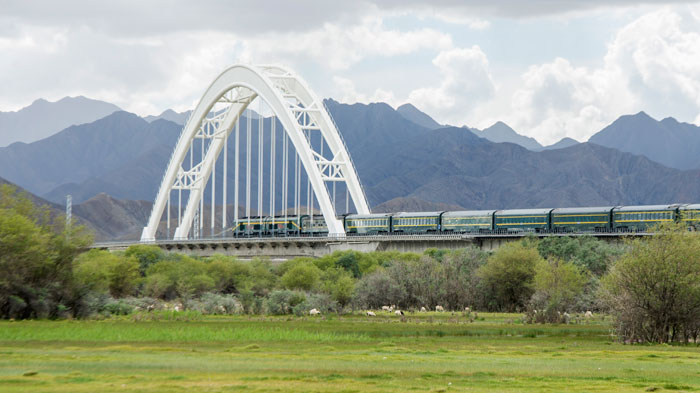
The stunning scenery is always the highlight of Qinghai-Tibet Railway.
Visit Tibet from Nepal
Nepal is another popular gateway to enter Tibet, and Kathmandu is the only overseas city that offers international flights to Lhasa. The daily Kathmandu to Lhasa flights are run by Sichuan Airline and Air China.
You can also choose to enter Tibet from Nepal by land via the Gyirong border. The epic overland journey from Kathmandu to Lhasa takes about 8 days including a one-night stay on the Everest Base Camp at the northern side of Mount Everest.
Getting around Tibet
Road travel is the major way to visit Tibet. You need to prepare for long-distance travel if your Tibet tour including attractions outside Lhasa city.
The road condition in Tibet has been improved in recent years and most are asphalt roads, which are good for both vehicles, bikes, and motorbikes.
✅How to Get to Tibet
Getting to Tibet can seem like a bit of a challenge due to its remote location and unique travel regulations. But don’t worry—whether you prefer to fly, take the scenic train route, or drive through the mountains, there are several ways to make your way to the Roof of the World.
1. Flying to Tibet: The Easiest Option
The quickest and most convenient way to get to Tibet is by airplane. Lhasa’s Gonggar Airport is the primary gateway for international travelers, and several Chinese cities offer direct flights to Lhasa. While Nepal also has flights into Tibet, these flights are typically limited to a few destinations, so the vast majority of travelers fly via China.
-
Major Airports with Flights to Lhasa:
-
Chengdu: The most common point of entry from China, with frequent flights to Lhasa. It’s a short and easy flight from Chengdu (about 2 hours).
-
Beijing: There are daily flights from Beijing to Lhasa. The flight is around 4 hours long.
-
Xian: Xian also offers direct flights to Lhasa, which take about 3 hours.
-
Kathmandu (Nepal): If you're coming from Nepal, there are limited flights from Kathmandu to Lhasa, taking about 1.5 hours. This is a popular route for travelers coming from South Asia.
-
-
Travel Tip: Flights to Lhasa are generally available year-round, but they can be more expensive during peak travel seasons (May to August). It’s advisable to book flights in advance to secure the best rates.
-
Airport Transfer: Once you arrive at Gonggar Airport, your guide or agency will be there to pick you up and transfer you to your hotel. Remember, since Lhasa sits at an altitude of over 3,600 meters (11,800 feet), take it easy on your first day and allow your body time to acclimatize.
2. The Qinghai-Tibet Railway: The Scenic and Adventurous Route
The Qinghai-Tibet Railway, also known as the World’s Highest Railway, is one of the most unique travel experiences you can have. This stunning train ride takes you through the Tibetan Plateau, offering jaw-dropping views of the mountains and vast grasslands along the way. It’s a long but scenic journey that lasts anywhere from 24 to 48 hours, depending on your starting point.
-
Main Starting Points:
-
Xining: The most popular entry point to Tibet via rail. From Xining, you’ll take the train to Lhasa, and the journey takes approximately 24 hours.
-
Chengdu: For those coming from Chengdu, the Chengdu-Lhasa train route takes about 36 hours, offering stunning views of the plateau and various Tibetan villages along the way.
-
Xian: If you're starting from Xian, the train ride takes about 30 hours to reach Lhasa.
-
-
What to Expect on the Train:
-
Altitude: The train reaches heights of 5,000 meters (16,400 feet), so you’ll experience high-altitude travel. Most train compartments are equipped with oxygen supplies to help travelers adjust. It’s advisable to drink plenty of water and avoid alcohol during the journey.
-
Scenic Views: The Qinghai-Tibet Railway is known for its breathtaking views of the Tibetan Plateau, including vast grasslands, snow-capped mountains, and tranquil lakes. Make sure to bring a camera to capture these unforgettable landscapes.
-
-
Train Tip: The train ride can be a bit long and tiring, so it’s recommended to bring snacks, water, and any comfort items you may need for the journey.
3. By Road: A Journey Through the Himalayas
For the adventurous traveler, getting to Tibet by road is an experience like no other. While the journey is long, it provides unparalleled views of the mountains and remote Tibetan villages. There are several routes into Tibet by car, the most popular being from Nepal or from other Chinese cities like Chengdu.
-
From Nepal (Kathmandu to Lhasa):
-
If you’re traveling from Kathmandu, you can take the Friendship Highway into Tibet. This road trip offers stunning views of the Himalayas and remote Tibetan villages. The journey usually takes about 6-7 days, depending on the weather and road conditions.
-
The road between Kathmandu and Lhasa can be challenging, especially during the winter months, so it’s important to travel with an experienced guide and tour group.
-
-
From China (Chengdu to Lhasa):
-
Another popular road route is from Chengdu to Lhasa, which takes about 6-7 days. The road goes through picturesque areas like the Qinghai-Tibet Plateau, and travelers often stop at key locations like Yamdrok Lake and Shigatse along the way.
-
-
Travel Tip: Roads leading into Tibet can be quite remote and sometimes difficult to navigate, especially in winter. It’s recommended to travel with a guided tour and use reliable transportation.
4. Crossing the Border from Nepal
For those coming from Nepal, the easiest and most scenic route into Tibet is by crossing the border at Zhangmu (Kodari), a small town in Nepal. From there, it’s about a 4-5 hour drive to Lhasa. This route is particularly popular with travelers who want to combine a visit to Nepal with Tibet.
-
Travel Note: Keep in mind that if you choose to travel overland from Nepal, you will need to arrange a Tibet Travel Permit and additional paperwork in advance through a licensed travel agency in Nepal or Tibet.
✅What are the must-sees places in Tibet?
Covering a total area of 1,228,400 square km, Tibet promises infinite opportunities for adventure, spiritual, and cultural discovery.
Lhasa is the must-see on all trips to Tibet. And a classic 4-day Lhasa tour is the best choice for the first-timers to Tibet and those who are short on time. The trip to nearby Namtso Lake or Yamdrok Lake only takes one more day.
Everest Base Camp is always on the list of most travelers to Tibet. The classic EBC tour from Lhasa takes 8 days, which includes an overnight stay at the base camp, so that you can enjoy the sunset or the sunrise at the top of the world.
Mount Kailash is like an ultimate goal for both pilgrims and non-pilgrim. A general 15 days Kailash Tour combines the classic Lhasa to EBC tour with an extended 3-day Kailash Kora and Manasarovar Yatra.
The overland tour from Lhasa to Kathmandu covers all the best along the Sino-Nepal friendship highway. This epic overland journey through the Himalayas takes 7 days by car and around 15 days by bike.
Insider Tips:
In fact, there are more attractions in Tibet. You can find something that interests you in Tibet.
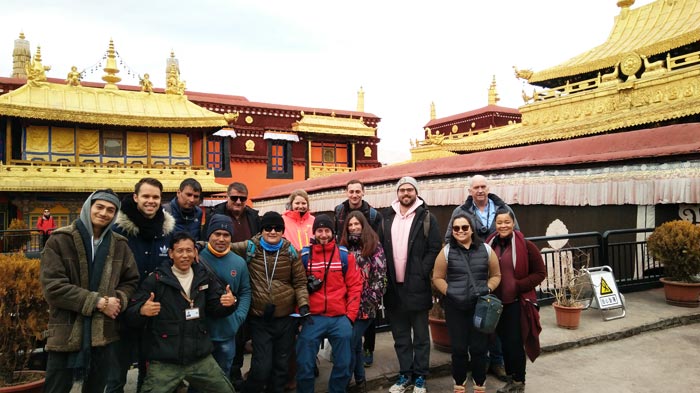
Jokhang Temple, the spiritual center of Tibet.
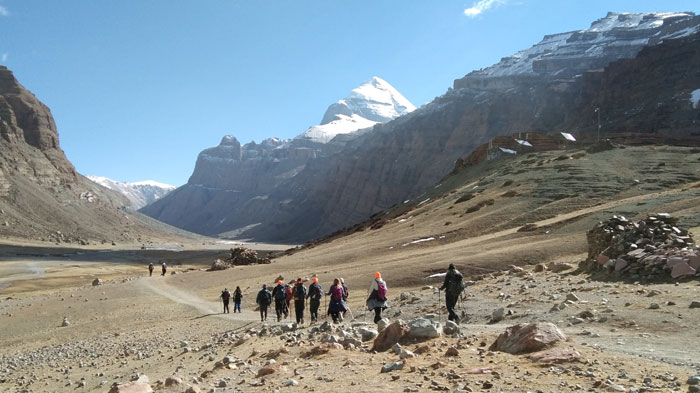
The epic Mt.Kailash trekking tour in Tibet
✅Book Your Tibet Tour with Us
After reading this far, you’re clearly serious about your journey — and I promise, it will be worth it.
As a local Tibet-based travel agency, we’ve been organizing Tibet tours for over two decades, helping travelers from all around the world experience the land of snow safely and meaningfully.
We specialize in:
-
Custom itineraries (private or small-group)
-
Tibet permit processing
-
English-speaking guides trained in culture & first aid
-
Comfortable vehicles and local drivers
-
Hotel & flight arrangements
-
Spiritual journeys and trekking adventures
Whether you want a cultural tour of Lhasa, a pilgrimage to Mount Kailash, or an Everest expedition, we’ll tailor everything to your schedule and comfort.
Contact Us
E-mail: TibetTourGuides@gmail.com
WhatsApp: 86 139 0891 7080
WeChat: 86 139 8998 9889
“Traveling to Tibet is not just about reaching a place — it’s about awakening a part of yourself you didn’t know was asleep.”
When I first arrived in Tibet nearly two decades ago, I thought I was coming to see mountains.
But what I found was something far greater — a silence that speaks, a faith that breathes, and a landscape that feels alive.
Standing before the Potala Palace, watching monks circle Jokhang Temple, or seeing Mount Everest bathed in sunrise — you begin to understand that Tibet isn’t about escape. It’s about discovery.
It teaches you humility — how small we are before nature.
It teaches you gratitude — how precious each breath is at 4,000 meters.
It teaches you compassion — how simple kindness transcends language and culture.
As you leave, prayer flags wave behind you — blue for sky, white for clouds, red for fire, green for water, yellow for earth — carrying your wishes into the wind.
You realize you’re not just taking memories home; you’re leaving a piece of your heart in the Himalayas.
So when you’re ready to step beyond ordinary travel,
to feel the world’s rooftop beneath your feet and your spirit expand to match the horizon — come to Tibet.
Because once you’ve been here, the world will never look the same again.